I wish I could say that there has been a dramatic improvement in our product lines since last month. We are still in very shaky markets and wood products manufacturers are worried as we approach the winter months. Panel prices are still holding up, but there have been periodic discounts as manufacturers get rid of problems on their floor in anticipation of weaker winter markets. Veneer is still soft with not enough demand across domestic plywood or LVL producers to strengthen the market.
A dramatic improvement still seems months away. There are promising trends, but we have been betrayed before and our crystal balls are murkier than usual with so many macro-economic issues currently at play.
Plywood sales volume looked good for the last couple of weeks. We have increased sales volume in the last two weeks over the four weeks prior. Whether this is because there is the perception of no further downside in the market, aka the “safe trade”, or an anticipation of future market improvements, who knows.
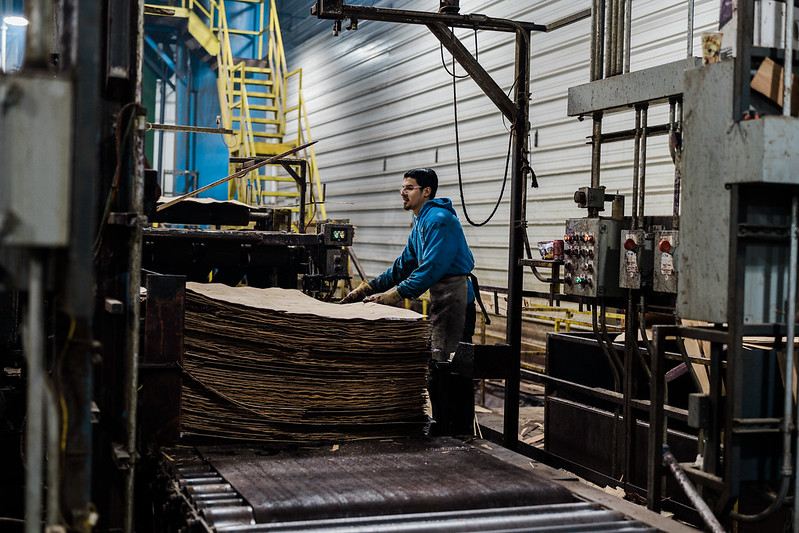
The Fed lowered interest rates 25 basis points, which will hopefully be the start of a period of gradual rate reductions as the Fed balances inflation expectations versus employment. The Fed’s historic interest rate increase, and persistently high rates compared to other developed economies, has been particularly damaging to the housing market. Housing starts were down 9% in August, which was much worse than the consensus estimate. Building permits were also down 4% in August, which was also below consensus. On the bright side, mortgage rates have decreased over the last couple of months, which should improve future expectations and builders confidence. A commitment to further rate moderation should help going forward.
President Trump’s tariffs have been extremely distortionary the last 3 months as foreign producers increased shipments to avoid future tariffs. There has been little room for domestic producers considering the strength of the dollar and the attractiveness of shipping into the US market. Whether or not the tariffs will allow domestic producers to run at capacity in the short term is still unknown. There has been some import data that have indicated that the 50% tariff on Brazilian wood products is starting to have a demonstrable effect.
Pine plywood shipments from Brazil decreased by 36% in August even though the tariffs didn’t really start to take effect until the second week. Absent any changes to the tariff policy, one would surmise that there will be an even more significant drop in September. Considering the Brazilian panel imports reached almost 15% of US domestic consumption during a declining housing market, the impact of reduced Brazilian supply could be significant. Tariff rates with China are still being negotiated, but they currently produce 70% of global plywood production.
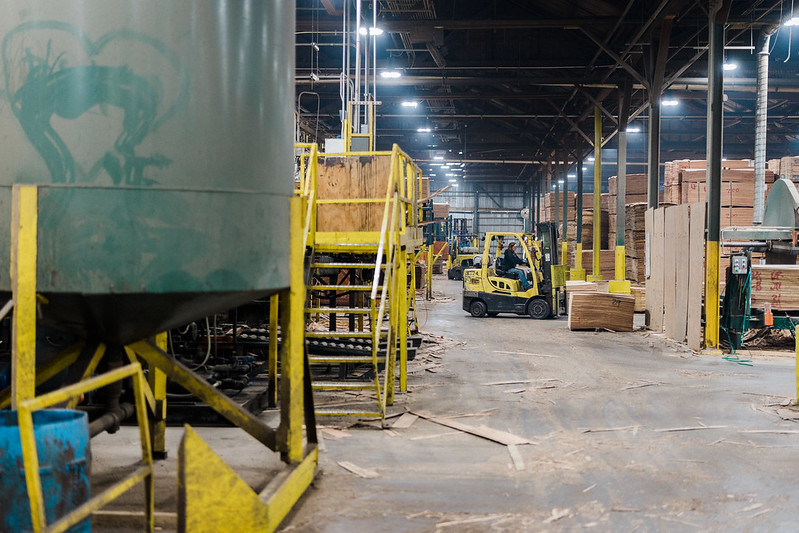
We are contracted on a very large warehouse project for the fourth quarter which will move our Mass Ply facility to a full-time, pedal down production schedule. It looks like that will be followed by another one or two warehouses, and several smaller projects which will keep us producing at a full schedule through the end of the year. It also looks like several other large projects will start the first quarter. We can look out a little further on these projects considering we are producing the entire wood package. We still have trouble looking out beyond the next 6 months. It is encouraging, however, that projects that have been shelved for the last year or two are now looking for production dates.
While we are more optimistic about the start of 2026, the potential for a favorable market run for domestic wood products still exists in winter 2025. The confluence of tariff policy and declining interest rates are powerful market forces. The 10% decline in the strength of the US dollar compared to most other foreign currencies is also favorable to US manufacturers. Better times couldn’t come soon enough. This has been a long and painful time for our industry.
Subscribe
We’ll send you a notification when a new story has been posted. It’s the easiest way to stay in the know.