As active stewards of Oregon’s working forests, we strongly support the USDA’s recent decision to rescind the 2001 Roadless Rule. This rule, enacted in the final days of the Clinton Administration, restricted road access across nearly 60 million acres of National Forest land. Over the years, its impact has been significant in limiting forest management, increasing wildfire risk, and making it harder to protect communities.
A Wildfire Crisis That Can’t Be Ignored
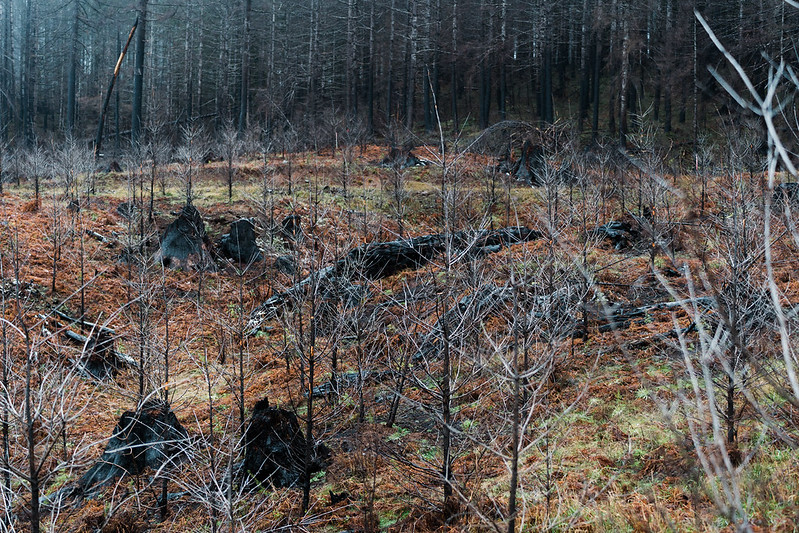
Nearly half of all roadless acres are now in areas rated as high or very high wildfire risk. Since the Roadless Rule was put in place, more than 8 million acres of roadless forests have burned. Lack of access has made it harder for firefighters to reach ignition points, build containment lines, or safely evacuate nearby communities. In testimony before Congress, Forest Service Chief Tom Schultz shared that 24.5 million acres of these roadless areas are now within the Wildland Urban Interface—the critical zone where people and forests meet.
Road access is important, because we need to have the flexibility to act quickly when lives, property, and forests are at stake.
Restoring Forest Health Through Science-Based Management
The Roadless Rule has also blocked proactive forest management on nearly one-third of the National Forest System. We know this approach isn’t working. Decades of hands-off policy have left many forests overstocked, filled with dead or dying trees, and highly susceptible to disease, insects, and catastrophic fire.
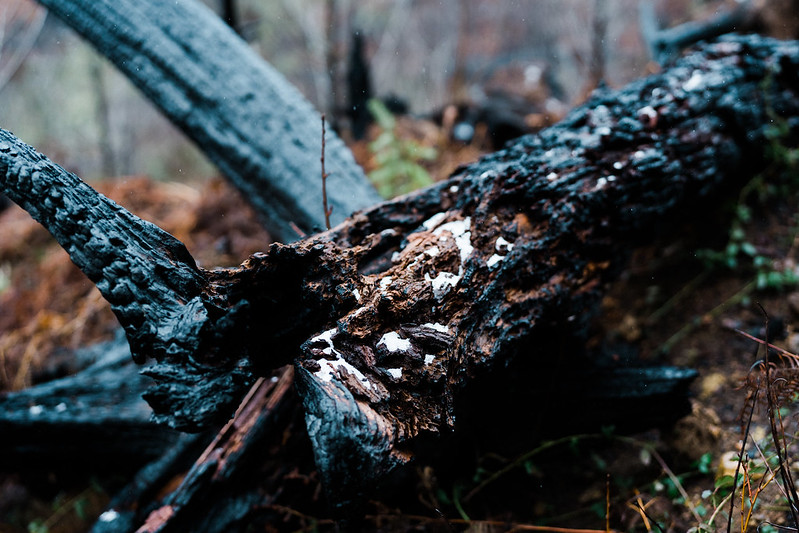
Rescinding the rule gives forest managers the tools they need to reduce fuels, improve forest health, and strengthen fire resilience. That includes science-based practices that restore balance to stressed landscapes, such as thinning, selective harvest, and prescribed burning.
Supporting Infrastructure and Community Resilience
Beyond access for forest management, roads also support recreation, water systems, and emergency operations. In many areas, even temporary road construction has been off-limits, leaving land managers with no safe way to get in or out.
Rescinding the Roadless Rule removes a blanket restriction and allows access to be considered where appropriate. Every project will still go through strict review under laws like NEPA, the Endangered Species Act, and individual forest management plans.
Dispelling Myths About Logging and Fire
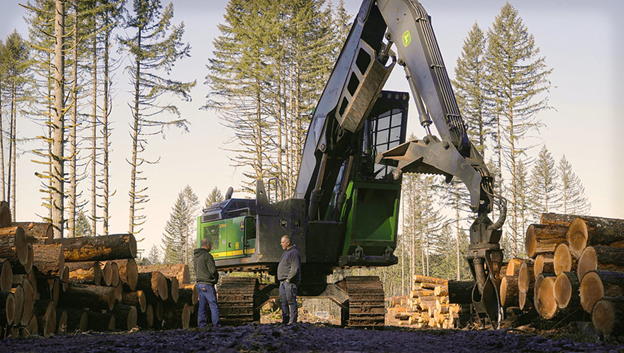
There are claims that rescinding the rule will open the door to unrestrained logging. That’s simply not true. Federal forests are among the most heavily regulated lands in the world. Sustainable forestry—not clearcutting—is the standard.
There are also concerns about increased fire risk from human activity. In reality, access can be managed. Roads can be gated or closed while remaining available for emergency use. Poor access, on the other hand, has been a common theme in major wildfires over the past two decades. Time and again, the Forest Service has pointed to the lack of roads as a barrier to early suppression.
Meanwhile, the Forest Service is currently losing more than 1,000 miles of road each year due to policy restrictions or a lack of maintenance funding. This trend only further limits the ability to manage fire and support local economies.

Putting Trust Back in Local Decision-Making
The 2001 Roadless Rule took a one-size-fits-all approach to complex, diverse landscapes. Rescinding the rule gives local land managers and stakeholders more flexibility to craft solutions that fit the forest conditions and community needs on the ground.
This change doesn’t eliminate oversight. It simply restores the ability to have thoughtful, site-specific conversations about how best to manage public lands.
Looking Ahead
The rulemaking process is just beginning. There will be a full public comment period and environmental review, and stakeholders across all levels—tribes, states, local communities—will have a voice.
We believe this is a step toward smarter, safer, and more sustainable forest management. And we look forward to contributing to the process as it unfolds.
Subscribe
We’ll send you a notification when a new story has been posted. It’s the easiest way to stay in the know.