Mass Ply Used to Build Sustainable, Affordable Modular
Mass timber is making its mark in the modular housing market, providing builders and developers with a myriad of benefits over traditional building materials like concrete and steel. Among many perks, Mass Ply can be fabricated off-site and assembled quickly on-site, reducing construction costs and waste. It also offers sustainable and structural benefits, as well as excellent thermal and seismic performance.
Project partners like LIT Homes, HONE, and the TallWood Design Institute are developing affordable modular housing systems with Freres Engineered Wood’s Mass Ply Panels (MPP).
“Mass timber housing solutions offer a faster, more sustainable, and fire-resilient way to build,” says Marge Cafarelli, President at LIT Homes.
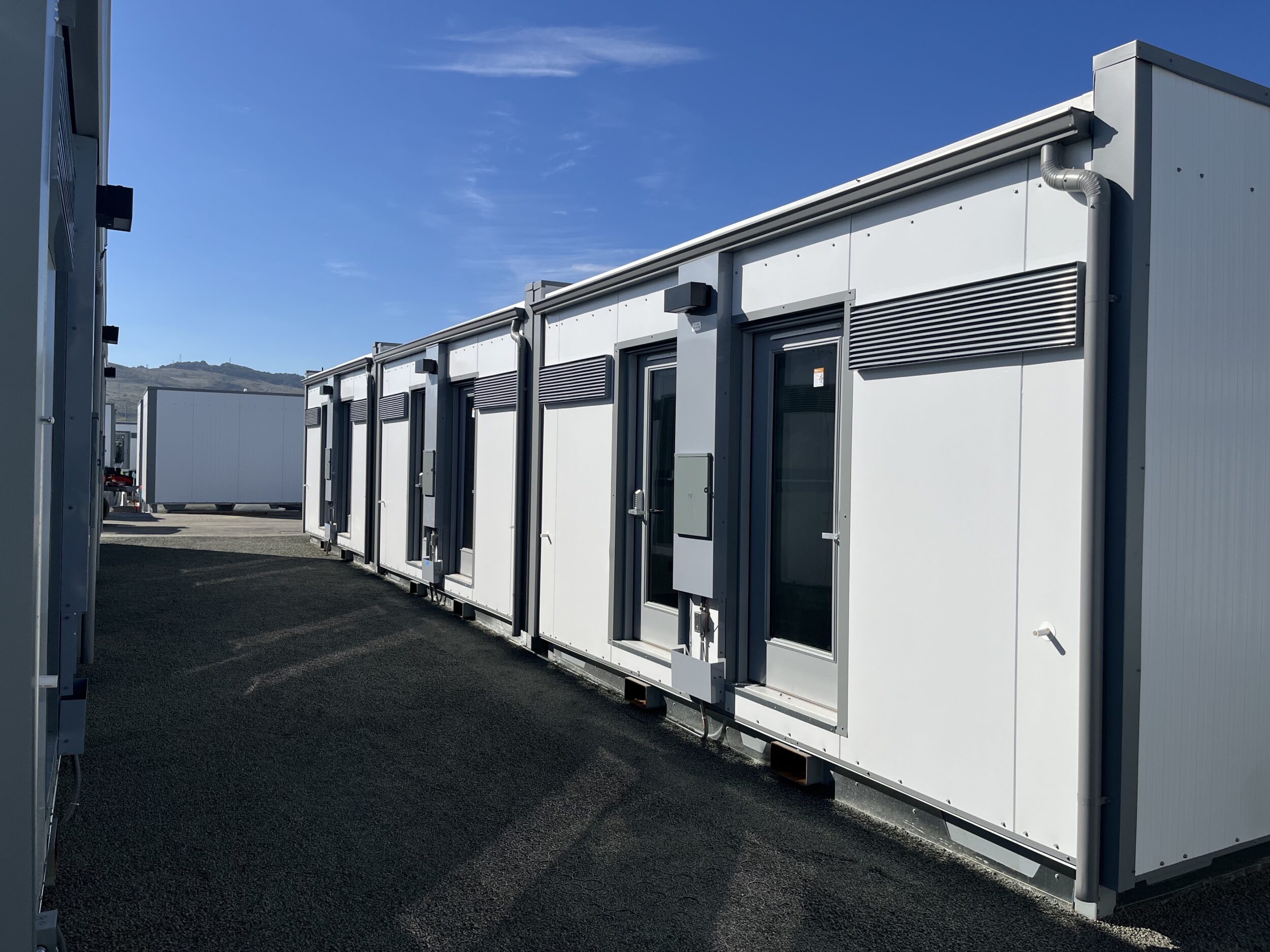 Photo provided by LIT Homes
In 2025, LIT Homes partnered with Freres Wood in support of a new build/design initiative, designing modular products for interim and permanent supportive housing for the unhoused. They selected MPP for the ceiling and floor assemblies, contributing to the successful launch of over 120 modular units in San Jose and Thousand Oaks. The units are HCD-certified (per California’s Housing and Community Development building codes) and one-hour fire-resistance rated.
“Mass timber housing solutions offer a faster, more sustainable, and fire-resilient way to build,” says Marge Cafarelli, President at LIT Homes.“Their scalability makes them ideal for addressing urgent housing needs—especially in underserved and rapidly growing communities—while promoting greener, high-quality development at scale.”
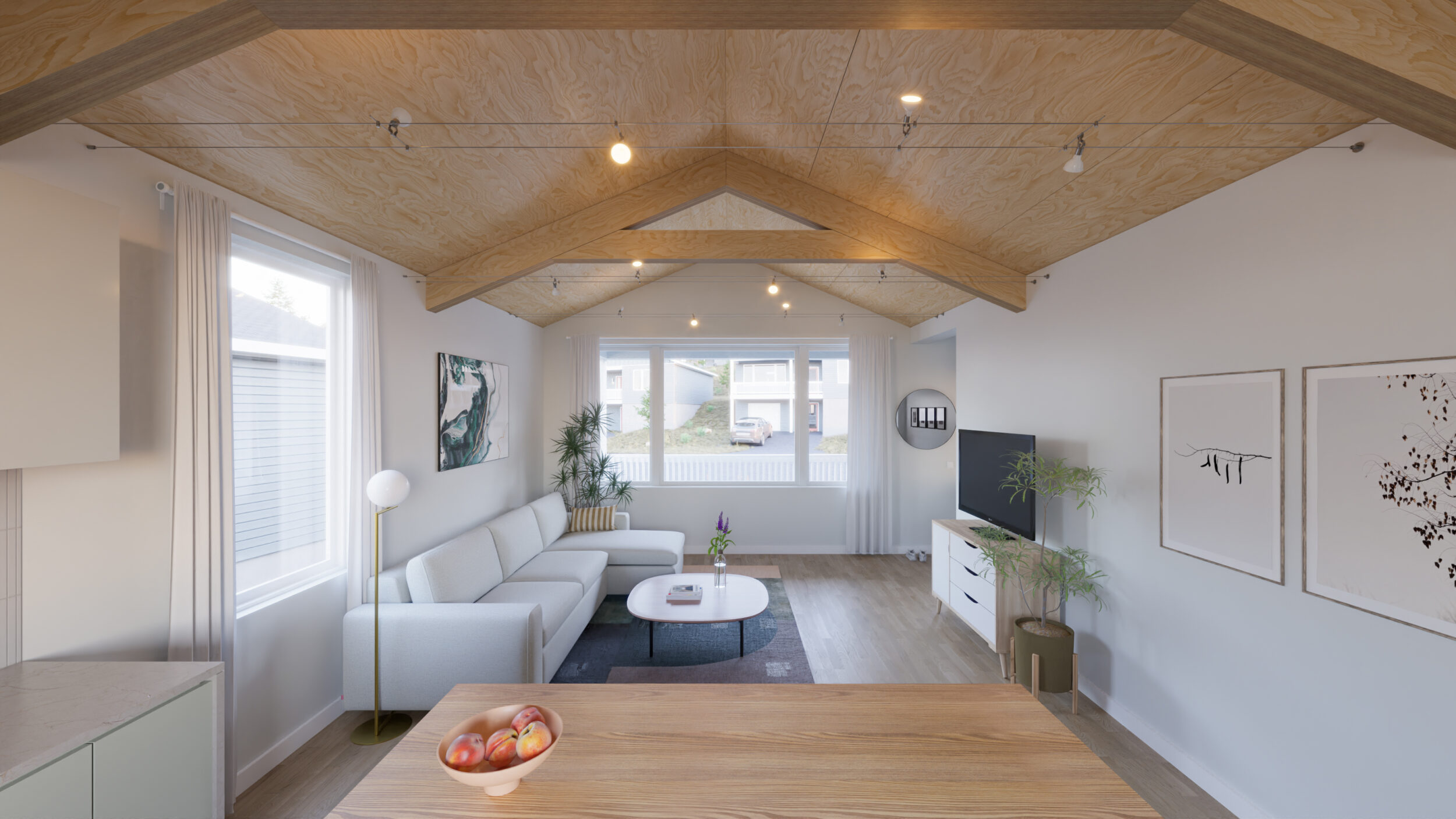 Photo provided by HONE
HONE is also integrating MPP into a new hybrid mass timber modular system, manufactured by MODS PDX Inc., that streamlines construction and improves efficiency. HONE partnered with the Regional Rural Revitalization Strategies Consortium (R3) to bring this innovation to John Day, Oregon, where they plan to break ground in late summer 2025. This mid-income housing development, “The Ridge,” will feature 18 single-family homes and nine accessory dwelling units targeted at households earning 80–120% of the area median income.
The Ridge will serve as a model, which HONE hopes to fine-tune and eventually replicate in different configurations all across Oregon. “With our collaboration with Freres, we are assembling finished products instead of fabricating from scratch,” says Nathan Young, the CEO of HONE and MODS PDX. “We see this as the future of construction when utilized appropriately.”
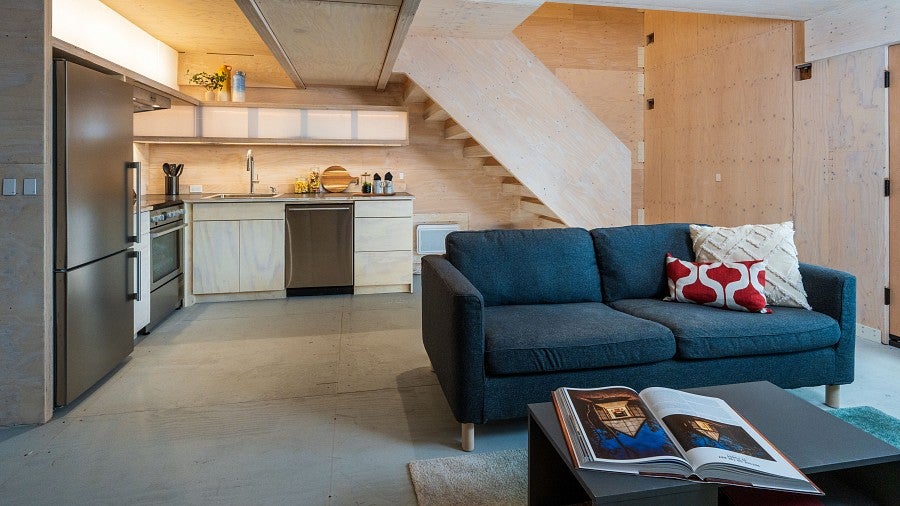
Photo provided by the TallWood Design Institute; taken by Marcus Kauffman
In late 2024, the TallWood Design Institute revealed their own elevated modular housing design: a 760-sq.-ft., two-story home, constructed almost entirely from prefabricated MPP. A collaborative accomplishment by the University of Oregon and Oregon State University, the 2-bedroom, 1 ½-bathroom home was designed to address a series of pressing needs in today’s housing market, such as reducing waste, cutting construction time and costs, and mitigating wildfire risk. The compact design is well-suited for cottage clusters and accessory dwelling units (ADUs).
Plans are already underway for an optimized second prototype, which the team hopes will offer an eco-friendly alternative to traditional home construction and a viable response to the affordable housing crisis. “Hopefully this will lead to the production of prefabricated mass timber housing in Oregon,” said Judith Sheine, a UO professor of architecture and the institute’s director of design.