October and November are busy months for tradeshows and industry events. The APA Conference, held at the beginning of October, was a great opportunity to meet with other wood producers and the equipment and materials suppliers who support them.
The mood was positive and anticipatory, even though it was generally noted that the markets haven’t been good for anyone since the Fed started raising rates more than 2 years ago now. I am always impressed that our industry continues to look for new opportunities and ingenious ways to solve the problems we face. It gives me conviction that we are an industry that is capable of extraordinary and rapid progress if given the opportunity.
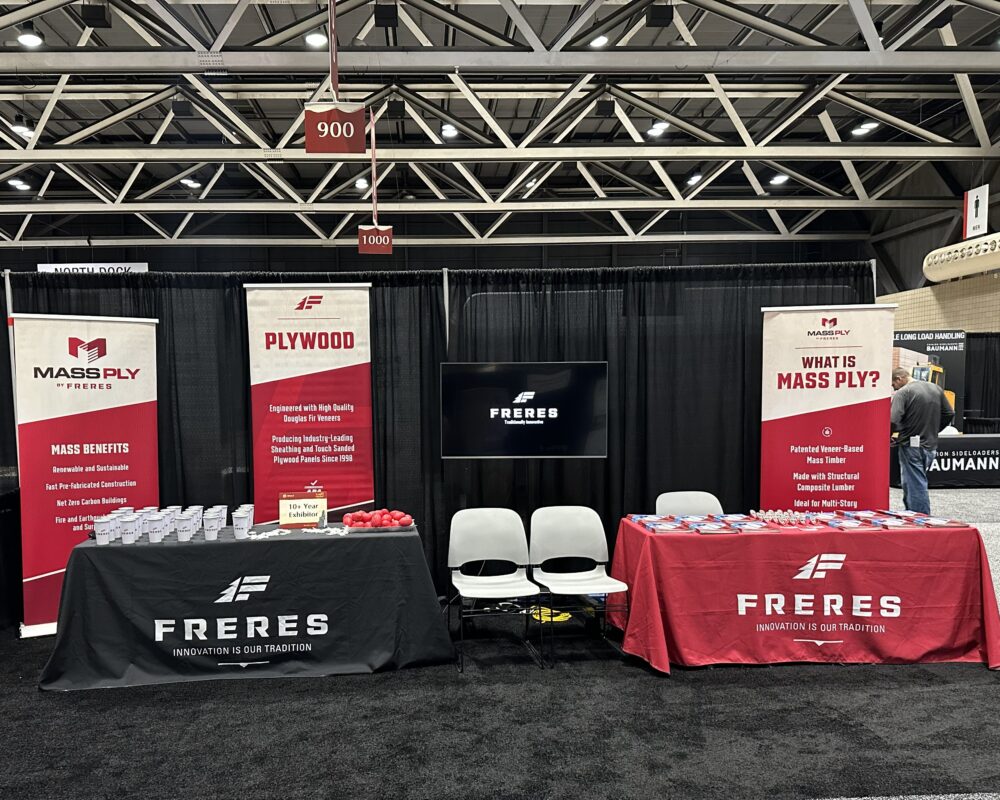
Kyle Freres was a speaker at the Advancing Mass Timber Construction Conference in Nashville, presenting on domestic timber sourcing for mass timber projects and the impacts of tariffs on current projects. oWow, our fantastic development customer who is leading the way on point-supported slab multi-story construction also presented. Additional sector partners like DPR, Holmes, Swinerton, FFA Architecture, and many others were also presenters.
Mass Timber+ followed at the end of October in Boston. Forest Economic Advisors and Woodworks put on a fantastic event that exceeded expectations, with over 700 attendees. We were able to catch up with other mass timber manufacturers and connect with East Coast architects and engineers who are actively designing mass timber projects, and, importantly, specifying Mass Ply cross-laminated timber and lams in their future structures. Warehouses and data centers were the center of conversation as people are working their design magic to integrate timber into this new building type.
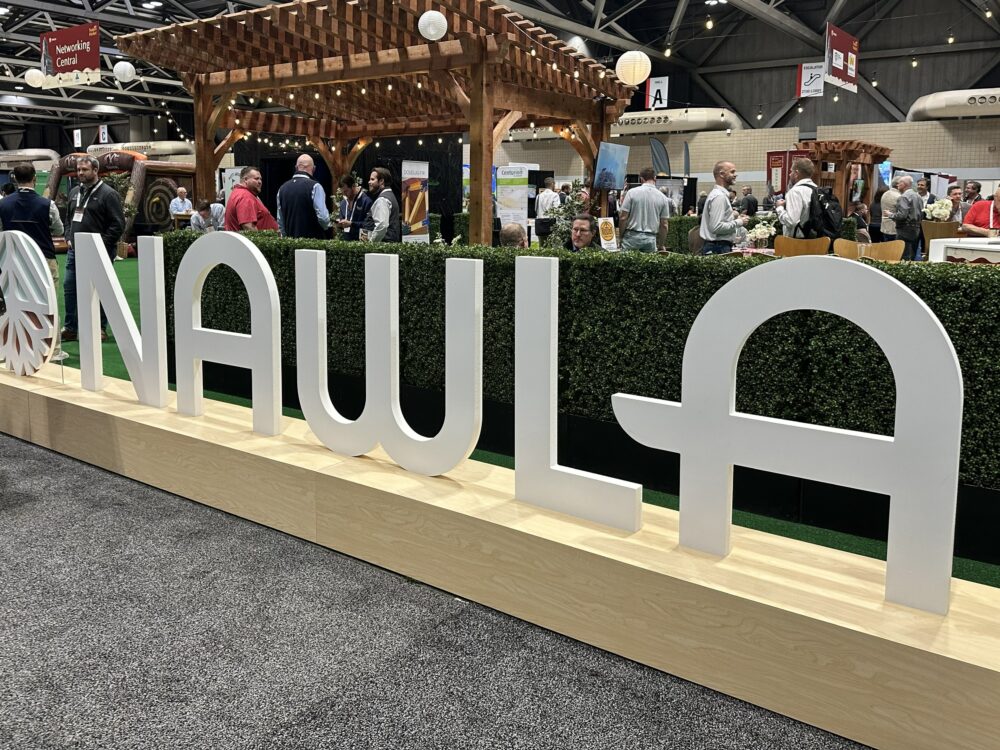
Bob and Andrea are just now returning from the NAWLA conference where they connected with our current customers and developed new contacts. We are constantly rolling out new products, so this type of event is important to keep our customers updated.
Wood products markets are still not very healthy. Panels and LVL are still at minimum production with little to no margin, but lumber producers claim that they are suffering more. Multiple announcements have been made in the last couple of weeks that significant production is coming off the market. It is still unknown whether the announced capacity reductions will align with current demand and allow profitability in that sector.
We recently saw improvements in panel sales, after a couple of lethargic weeks, but pricing still needs to improve. Considering the 50% plus tariffs on Brazilian producers, and the reduction in import volumes, I would have expected more improvement by now. Unfortunately, the demand side of the housing market is still not improving. Housing affordability is still not good, which will keep a cap on new housing construction until house prices come down and the Fed lowers rates to make housing more attractive.
Most producers believe that there will be considerable improvement in the markets next year, especially as the Fed begins a rate-easing cycle. The question is whether this will be a first-half or second-half 2026 improvement. I’m on the side of a first-half improvement for market conditions, indicated primarily by mass timber projects putting money down on projects going into 2026. There are plenty of people betting on the come. I think the infrastructure buildout beginning in 2026 is underestimated by most analysts who focus solely on the housing market. Industrial buildouts use wood products as well.
Time is running out for a fourth-quarter revival in wood products markets, which we have experienced in past downturns. There is a lot of opportunity entering 2026, and we are ready when it comes.
Subscribe
We’ll send you a notification when a new story has been posted. It’s the easiest way to stay in the know.